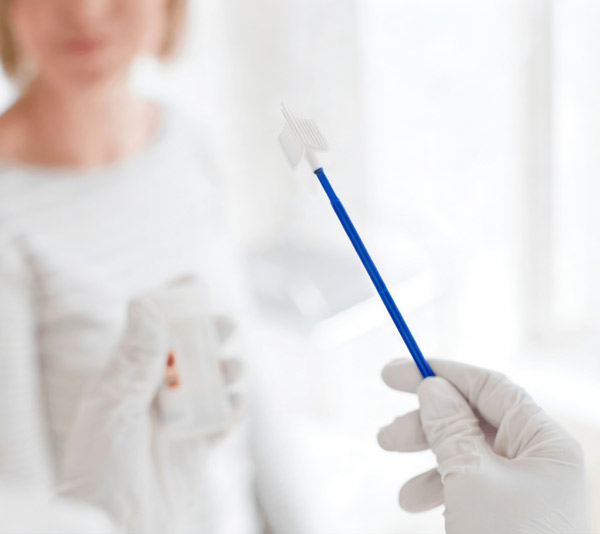
Cervical cancer is one of the most preventable types of cancer when detected early through regular screening. Tests such as the Pap test (تلطيخ عنق) و ال HPV test help identify abnormal cervical cells or high-risk human papillomavirus infections before cancer develops.
Below are some of the most frequently asked questions about cervical cancer screening, including testing methods, preparation, and the importance of early detection.
1. What Is Cervical Cancer Screening?
Cervical cancer screening is a medical test used to detect abnormal changes in the cells of the cervix before they develop into cancer.
The most common screening methods include:
-
اختبار بابانيكولاو (مسحة عنق الرحم): Detects abnormal or precancerous cervical cell changes.
-
اختبار فيروس الورم الحليمي البشري: Identifies high-risk types of human papillomavirus (فيروس الورم الحليمي البشري) that are known to cause cervical cancer.
Regular screening helps identify precancerous cell changes early so they can be treated before cancer develops. Early detection significantly reduces the risk of cervical cancer and improves treatment outcomes.
2. What Is the Difference Between a Pap Test and an HPV Test?
Although both tests are used to screen for cervical cancer, they detect different things.
اختبار بابانيكولاو
اختبار فيروس الورم الحليمي البشري
In many screening programs, both tests are performed together, a method known as co-testing, which improves the accuracy of cervical cancer screening.
3. At What Age Should Women Start Cervical Cancer Screening?
Most medical guidelines recommend that women begin cervical cancer screening at عمر 21.
Recommended screening schedule:
| Age Group |
Screening Recommendation |
| Ages 21–29 |
Pap test every 3 سنوات |
| Ages 30–65 |
Pap test every 3 سنوات, HPV test every 5 سنوات, or co-testing every 5 سنوات |
| زيادة 65 |
Screening may stop if previous results were normal and risk is low |
Women should always consult their healthcare provider to determine the most appropriate screening schedule based on their personal medical history.
4. How Is a Cervical Sample Collected for Pap or HPV Testing?
During the screening procedure, a healthcare provider inserts a speculum into the vagina to allow a clear view of the cervix.
The sample collection process typically involves:
-
Inserting a speculum to open the vaginal canal
-
باستخدام أ sterile cervical swab or cytology brush to collect cervical cells
-
Placing the sample into a cell preservation solution or transport medium
-
Sending the sample to a laboratory for analysis
High-quality specimen collection devices—such as nylon flocked cervical swabs—can improve sample collection efficiency, enhance cell release into the preservation medium, and help ensure more accurate diagnostic results.
5. Is Cervical Cancer Screening Painful?
Cervical cancer screening is generally quick and minimally uncomfortable.
Some women may experience:
لكن, the procedure usually takes only a few minutes, and most patients can return to normal activities immediately afterward.
6. What Happens If My Pap Test Results Are Abnormal?
An abnormal Pap test result does not necessarily mean cancer. It usually indicates that some cervical cells have changed and require further evaluation.
Your healthcare provider may recommend additional tests, مثل:
These follow-up procedures help determine whether treatment or monitoring is necessary.
7. Can HPV Infections Cause Cervical Cancer?
نعم. Persistent infection with high-risk HPV types can cause abnormal cervical cell changes that may eventually develop into cervical cancer.
Two HPV types are responsible for most cases worldwide:
These two strains account for تقريبًا 70% of cervical cancer cases globally.
Regular screening helps detect HPV infections and abnormal cell changes early, allowing timely treatment and prevention.
8. How Can Women Prepare for a Pap or HPV Test?
To improve the accuracy of test results, women should follow several recommendations before the screening appointment:
-
Avoid sexual intercourse for 48 قبل ساعات من الاختبار
-
Do not use حفائظ, vaginal creams, or medications ل 48 ساعات
-
Avoid douching
-
Schedule the test when not menstruating
Following these guidelines helps ensure a clear and reliable cervical sample for laboratory testing.
9. Can HPV Testing Be Done at Home?
نعم. Some screening programs offer HPV self-sampling kits, which allow women to collect a vaginal sample at home.
The process typically involves:
-
باستخدام أ مسحة معقمة to collect a vaginal sample
-
Placing the sample into a collection tube
-
Sending it to a laboratory for analysis
Self-sampling has been shown to increase participation in cervical cancer screening, especially in regions where access to healthcare services is limited.
10. Why Is Regular Cervical Cancer Screening Important?
Cervical cancer usually develops slowly over many years. During this time, precancerous cell changes can be detected and treated before cancer forms.
Regular screening helps:
-
يكشف HPV infections early
-
Identify precancerous cervical cell changes
-
Enable timely medical treatment
-
Prevent the development of cervical cancer
With proper screening and early intervention, most cervical cancer cases can be prevented.
High-Quality Cervical Swabs for Reliable Screening
Accurate cervical cancer screening begins with reliable specimen collection. جين ميديك provides high-quality sterile nylon flocked cervical swabs designed for efficient cervical cell collection and optimal sample release.
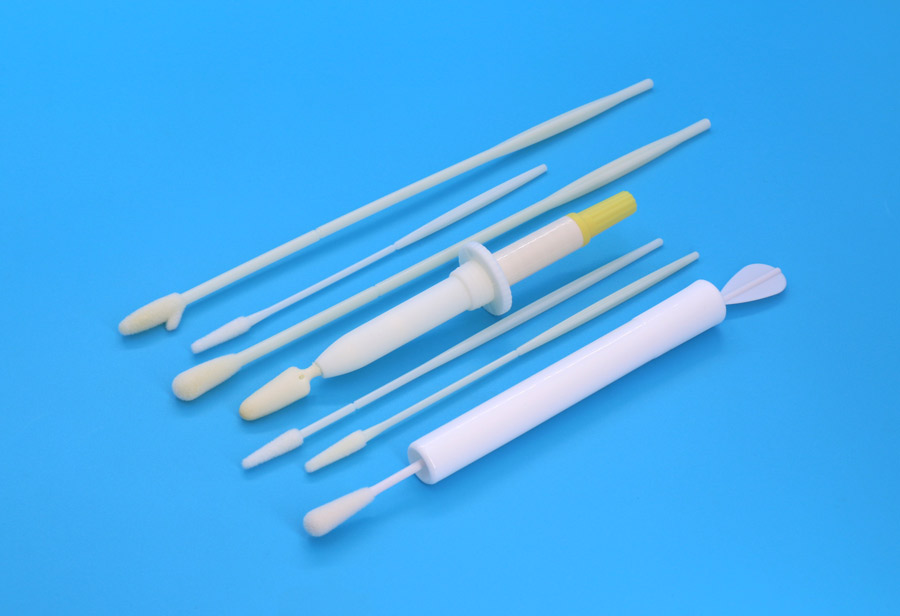
Our cervical swabs feature:
-
ناعم nylon flocked tips for superior cell collection
-
Medical-grade sterile packaging
-
Flexible shafts for comfortable sampling
-
Compatible with Pap tests, اختبارات فيروس الورم الحليمي البشري, and cytology testing
-
Available for OEM and ODM customization
These swabs are widely used by المستشفيات, مختبرات تشخيصية, and screening programs في جميع أنحاء العالم.
اتصل بنا today to learn more about MEIDIKE GENE cervical sampling solutions.