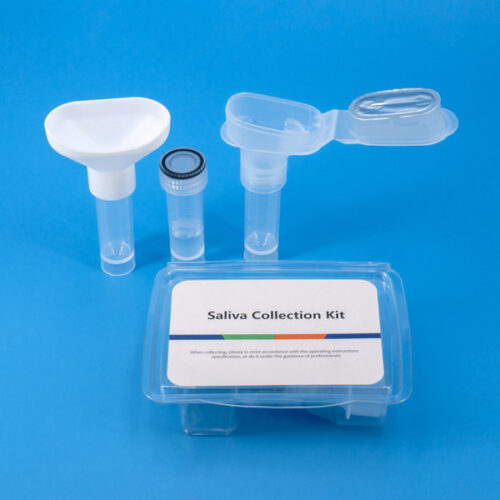
पितृत्व परीक्षण में डीएनए परीक्षण एक महत्वपूर्ण उपकरण बन गया है, वंश अनुसंधान, आनुवंशिक विश्लेषण, फोरेंसिक पहचान, और अन्य संबंध-परीक्षण अनुप्रयोग. जबकि प्रयोगशाला विश्लेषण के लिए विशेष विशेषज्ञता की आवश्यकता होती है, परीक्षण प्रक्रिया उपयुक्त डीएनए नमूने के उचित संग्रह के साथ शुरू होती है. जब सही संग्रह विधि और सामग्री का उपयोग किया जाता है, यह प्रारंभिक चरण सरल हो सकता है, सुविधाजनक, और विश्वसनीय.
प्रयोगशालाओं के लिए, डायग्नोस्टिक कंपनियाँ, डीएनए परीक्षण प्रदाता, अनुसंधान संगठन, और नमूना संग्रह उत्पाद वितरक, डीएनए परीक्षण के बारे में सामान्य प्रश्नों को समझने से नमूना संग्रह अनुभव को बेहतर बनाने में मदद मिल सकती है, पूर्व-विश्लेषणात्मक त्रुटियों को कम करें, और कुशल प्रयोगशाला वर्कफ़्लो का समर्थन करें.
डीएनए परीक्षण क्या है?
डीएनए परीक्षण विशिष्ट आनुवंशिक विशेषताओं की पहचान करने या तुलना करने के लिए जैविक नमूने से आनुवंशिक सामग्री का विश्लेषण करता है. परीक्षण के उद्देश्य पर निर्भर करता है, संबंध परीक्षण के लिए डीएनए विश्लेषण का उपयोग किया जा सकता है, आनुवंशिक अनुसंधान, फोरेंसिक अनुप्रयोग, वंश परीक्षण, या अन्य विशिष्ट अनुप्रयोग.
परीक्षण का प्रकार यह निर्धारित करता है कि कौन से आनुवंशिक मार्करों की जांच की जाती है और परिणामों की व्याख्या कैसे की जाती है. संबंध परीक्षण के लिए, जैविक संबंधों का मूल्यांकन करने के लिए प्रयोगशालाएँ मान्य प्रक्रियाओं और सांख्यिकीय विश्लेषण का उपयोग करती हैं. एएबीबी पेरेंटेज और अन्य संबंध परीक्षण करने वाली प्रयोगशालाओं के लिए विशिष्ट मानक बनाए रखता है.
डीएनए परीक्षण के लिए किस प्रकार के नमूनों का उपयोग किया जा सकता है?
डीएनए संभावित रूप से कई जैविक सामग्रियों से प्राप्त किया जा सकता है, शामिल:
- मुख कोशिकाएं गाल के अंदर से एकत्रित होती हैं
- लार
- खून
- सूखे खून के धब्बे
- उचित जड़ वाले बाल
- कुछ ऊतक के नमूने
- अन्य जैविक नमूने, प्रयोगशाला की मान्य प्रक्रियाओं पर निर्भर करता है
संबंध परीक्षण के लिए, मुख स्वाब विशेष रूप से आम हैं. एएबीबी में 2024 संबंध-परीक्षण तकनीकी रिपोर्ट, मुख स्वाब से अधिक का प्रतिनिधित्व किया 97% रिपोर्ट किए गए नमूना स्रोतों की.
कई नियमित डीएनए संग्रह अनुप्रयोगों के लिए, मौखिक या मुख नमूनाकरण आकर्षक है क्योंकि यह गैर-आक्रामक है, सुविधाजनक, और प्रदर्शन करना अपेक्षाकृत सरल है.
डीएनए परीक्षण के लिए आमतौर पर बुक्कल स्वाब का उपयोग क्यों किया जाता है??
एक बुक्कल स्वाब गाल के अंदर से उपकला कोशिकाओं को इकट्ठा करता है. इन कोशिकाओं में डीएनए होता है जिसे बाद में प्रयोगशाला द्वारा निकाला और विश्लेषण किया जा सकता है.
रक्त संग्रह की तुलना में, गाल की सफाई के लिए सामान्यतः सुई या वेनिपंक्चर की आवश्यकता नहीं होती है. यह इसे उन अनुप्रयोगों के लिए विशेष रूप से उपयुक्त बनाता है जहां सरल और सुविधाजनक नमूना संग्रह महत्वपूर्ण है.
प्रत्यक्ष-से-उपभोक्ता आनुवंशिक परीक्षण आमतौर पर या तो गाल स्वाब या लार संग्रह का उपयोग करता है. मेडलाइनप्लस एक विशिष्ट प्रक्रिया का वर्णन करता है जिसमें एक व्यक्ति एक स्वाब के साथ गाल का नमूना एकत्र करता है और परीक्षण कंपनी को नमूना भेजने से पहले इसे एक ट्यूब में रखता है।.
क्या डीएनए परीक्षण कष्टदायक है??
बुक्कल डीएनए संग्रह को आम तौर पर एक गैर-आक्रामक नमूनाकरण विधि माना जाता है. कोशिकाओं को इकट्ठा करने के लिए एक संग्रह स्वाब को गाल के अंदर धीरे से रगड़ा जाता है.
इस प्रक्रिया में आम तौर पर रक्त निकालने की आवश्यकता नहीं होती है, जब मौखिक नमूना इच्छित परीक्षण के लिए उपयुक्त हो तो इसे बच्चों और वयस्कों के लिए सुविधाजनक बनाना.
हालाँकि, उपयोगकर्ताओं को हमेशा परीक्षण प्रयोगशाला या किट निर्माता द्वारा दिए गए विशिष्ट संग्रह निर्देशों का पालन करना चाहिए.
डीएनए नमूना एकत्र करने से पहले मुझे कैसे तैयारी करनी चाहिए??
परीक्षण प्रदाताओं और संग्रह किटों के बीच तैयारी की आवश्यकताएँ अलग-अलग होती हैं, इसलिए प्रयोगशाला के निर्देशों को हमेशा प्राथमिकता दी जानी चाहिए.
मौखिक डीएनए संग्रह के लिए सामान्य अनुशंसाओं में शामिल हो सकते हैं:
- संग्रहण सामग्री को संभालने से पहले अपने हाथ धो लें.
- स्वैब टिप को छूने से बचें.
- संग्रह से पहले किट के अनुशंसित भोजन और पेय प्रतिबंधों का पालन करें.
- स्वच्छ संग्रहण क्षेत्र का उपयोग करें.
- स्वाब को गाल के अंदरूनी हिस्से पर मजबूती से लेकिन धीरे से रगड़ें.
- सुखाने के लिए निर्देशों का पालन करें, डालने, या संग्रह के बाद स्वाब को संरक्षित करना.
- नमूने को सही ढंग से लेबल करें और पैकेज करें.
बुक्कल डीएनए संग्रह कैसे काम करता है??
एक विशिष्ट बुक्कल डीएनए संग्रह प्रक्रिया में कई सरल चरण शामिल होते हैं:
कदम 1: संग्रह सामग्री तैयार करें
स्टेराइल पैकेज को ध्यानपूर्वक खोलें. संग्रह टिप को अपने हाथों या अन्य सतहों से छूने से बचें.
कदम 2: मौखिक नमूना एकत्र करें
स्वाब को गाल के अंदर रखें और संग्रहण निर्देशों के अनुसार घुमाएँ या रगड़ें. यह डीएनए युक्त उपकला कोशिकाओं को इकट्ठा करने में मदद करता है.
कदम 3: नमूना सुरक्षित करें
संग्रह के बाद, स्वाब को आपूर्ति की गई ट्यूब में रखें, लिफ़ाफ़ा, या किट निर्देशों के अनुसार संरक्षण प्रणाली.
कदम 4: नमूने को लेबल करें
सटीक पहचान संबंध परीक्षण और अन्य अनुप्रयोगों के लिए विशेष रूप से महत्वपूर्ण है जहां नमूना पहचान और पता लगाने की क्षमता मायने रखती है.
कदम 5: नमूना परिवहन करें
प्रयोगशाला की आवश्यकताओं के अनुसार नमूने को पैकेज और परिवहन करें.
कानूनी संबंध परीक्षण के लिए, संग्रहण प्रक्रियाओं में अतिरिक्त पहचान शामिल हो सकती है, प्रलेखन, हिरासत की श्रृंखला, और नियंत्रित संग्रह आवश्यकताएँ. एएबीबी का संग्रह प्रशिक्षण विशेष रूप से पहचान को संबोधित करता है, नमूना, हिरासत की श्रृंखला, आम त्रुटियों, और सुरक्षित परिवहन.
क्या मैं घर पर डीएनए नमूना एकत्र कर सकता हूँ??
कुछ उपभोक्ता और अनुसंधान-उन्मुख डीएनए परीक्षणों के लिए, घरेलू स्व-संग्रह संभव है. कई प्रत्यक्ष-से-उपभोक्ता परीक्षण एक किट प्रदान करते हैं जो उपयोगकर्ता को गाल या लार का नमूना एकत्र करने और उसे प्रयोगशाला में वापस करने की अनुमति देता है.
हालाँकि, घरेलू संग्रह को स्वचालित रूप से कानूनी डीएनए परीक्षण के लिए उपयुक्त नहीं माना जाना चाहिए.
यदि आप्रवासन के लिए डीएनए परीक्षण के परिणाम आवश्यक हैं, अदालती कार्यवाही, या कोई अन्य कानूनी उद्देश्य, परीक्षण प्रदाता को एक अनुमोदित संग्रह प्रक्रिया की आवश्यकता हो सकती है, पहचान सत्यापन, और हिरासत की श्रृंखला. आवश्यकताएँ क्षेत्राधिकार और अनुप्रयोग के अनुसार भिन्न-भिन्न होती हैं.
संयुक्त राज्य अमेरिका में, एएबीबी नोट करता है कि कई राज्य कानूनों को कानूनी कार्यवाही में उपयोग की जाने वाली संबंध-परीक्षण रिपोर्ट के लिए एएबीबी मान्यता की आवश्यकता होती है, जबकि संघीय आव्रजन डीएनए परीक्षण के लिए AABB-मान्यता प्राप्त सुविधा की आवश्यकता होती है.
कानूनी और गैर-कानूनी डीएनए परीक्षण के बीच क्या अंतर है??
मुख्य अंतर आम तौर पर है नमूना संग्रह और दस्तावेज़ीकरण प्रक्रिया, केवल डीएनए विश्लेषण के बजाय.
एक गैर-कानूनी या सूचनात्मक डीएनए परीक्षण किसी व्यक्ति को अपना नमूना एकत्र करने की अनुमति दे सकता है. कानूनी परीक्षण के लिए आमतौर पर नियंत्रित संग्रह की आवश्यकता होती है, पहचान सत्यापन, प्रलेखन, और हिरासत की श्रृंखला ताकि प्रयोगशाला यह स्थापित कर सके कि प्रत्येक नमूना किसने प्रदान किया और इसे कैसे संभाला गया.
इसलिए, ग्राहकों को डीएनए परीक्षण के इच्छित उपयोग का निर्धारण करना चाहिए संग्रह किट खरीदने या चुनने से पहले.
डीएनए परीक्षण कितना सटीक है??
उपयुक्त प्रयोगशाला विधियों और उचित रूप से एकत्र किए गए नमूनों का उपयोग करके किए जाने पर डीएनए परीक्षण अत्यधिक जानकारीपूर्ण परिणाम प्रदान कर सकता है. हालाँकि, यह महत्वपूर्ण है कि प्रत्येक डीएनए परीक्षण को एक सार्वभौमिक सटीकता प्रतिशत के रूप में वर्णित न किया जाए.
सटीकता जैसे कारकों पर निर्भर करती है:
- डीएनए परीक्षण का प्रकार
- आनुवंशिक मार्करों का विश्लेषण किया गया
- नमूना गुणवत्ता
- प्रयोगशाला पद्धति
- परीक्षण किए गए व्यक्तियों की संख्या
- सांख्यिकीय व्याख्या
- क्या अतिरिक्त रिश्तेदार शामिल हैं
- संग्रह और पहचान प्रक्रियाएँ
संबंध परीक्षण के लिए, प्रयोगशालाएँ किसी जैविक संबंध के पक्ष या विपक्ष में साक्ष्य का मूल्यांकन करने के लिए सांख्यिकीय गणना का उपयोग करती हैं. एएबीबी मानक विशेष रूप से पेरेंटेज और जटिल संबंध परीक्षण प्रक्रियाओं को संबोधित करते हैं.
क्या खराब गुणवत्ता वाला नमूना डीएनए परीक्षण को प्रभावित कर सकता है??
हाँ. नमूना संग्रह परीक्षण वर्कफ़्लो का एक महत्वपूर्ण हिस्सा है.
संभावित समस्याओं में शामिल हो सकते हैं:
- अपर्याप्त सेलुलर सामग्री
- दूषण
- गलत लेबलिंग
- क्षतिग्रस्त संग्रहण सामग्री
- अनुचित भंडारण
- अनुचित परिवहन
- संग्रहण निर्देशों का पालन करने में विफलता
एक उपयुक्त संग्रह उपकरण और संरक्षण प्रणाली का उपयोग वर्कफ़्लो के पूर्व-विश्लेषणात्मक चरण को मानकीकृत करने में मदद कर सकता है.
यह एक कारण है कि पेशेवर डीएनए परीक्षण प्रदाताओं को अपने संग्रह किटों की गुणवत्ता और डिजाइन पर विचार करना चाहिए - न कि केवल डाउनस्ट्रीम प्रयोगशाला परीक्षण प्रक्रिया पर.
मेडाइके जीन कौन से डीएनए संग्रह उत्पाद प्रदान करता है?
MEIDIKE GENE विभिन्न नमूनाकरण वर्कफ़्लो के लिए डिज़ाइन किए गए डीएनए और लार नमूना संग्रह उत्पादों की एक श्रृंखला प्रदान करता है.
The मीडाइक जीन डीएनए सैंपलिंग किट डीएनए संग्रह और संरक्षण के लिए डिज़ाइन किया गया है. उत्पाद विनिर्देशों के अनुसार, किट में मौखिक नमूना स्वैब शामिल हो सकते हैं, सेल संरक्षण समाधान, वापसी कार्ड, एक वापसी बैग, और निर्देश. यह आनुवंशिक परीक्षण और न्यायिक पहचान जैसे अनुप्रयोगों के लिए अभिप्रेत है.
इस प्रकार की एकीकृत किट डीएनए परीक्षण प्रदाताओं को नमूना संग्रह को सरल बनाने में मदद कर सकती है, संरक्षण, और वापसी रसद.
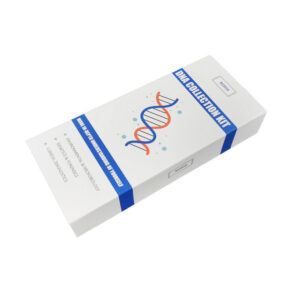
मुख की सफाई के बजाय लार पर आधारित कार्यप्रवाह के लिए, MEIDIKE GENE कई लार संग्रह उपकरण प्रदान करता है. इसकी डीएनए संग्रह किट श्रेणी में डीएनए और आरएनए नमूना संग्रह और स्व-संग्रह अनुप्रयोगों के लिए डिज़ाइन किए गए लार संग्रह उत्पाद शामिल हैं.
ये उत्पाद उन अनुप्रयोगों के लिए एक विकल्प प्रदान कर सकते हैं जहां प्रतिभागी लार-आधारित नमूनाकरण पसंद करते हैं.