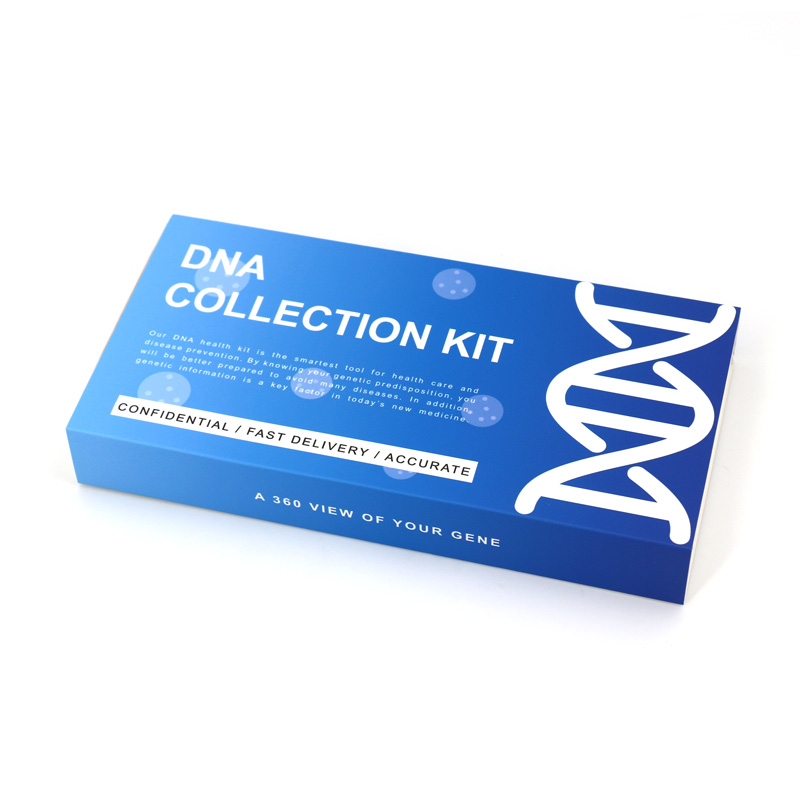
DNA収集は遺伝子検査の不可欠な部分となっている, 祖先の研究, 親子鑑定, 法医学調査, 生物医学研究. 現在利用可能な非侵襲的な DNA 収集方法の中で, 唾液採取 と 頬綿棒 (口腔綿棒) コレクション 最も広く使用されている 2 つのオプションです.
でもどの方法が良いのでしょう? 答えは特定のアプリケーションによって異なります, サンプル採取環境, DNA の品質要件. 記事上で, お客様のニーズに最適なソリューションを選択できるよう、唾液と頬綿棒による DNA 採取方法を比較します。
唾液DNA採取とは?
唾液 DNA 収集では、DNA 安定化溶液が入った専用の収集チューブに少量の唾液を収集します。. 唾液には、口の中に自然に存在する白血球や上皮細胞からのヒトの DNA が含まれています。.
この方法は広く使用されています:
- 祖先のDNA検査
- 遺伝子スクリーニング
- 調査研究
- 親子鑑定
- バイオバンキング
研究によると、唾液サンプルは適切に収集して保存すると、高い DNA 収量と優れた DNA 品質を提供できることが示されています。. 唾液ベースの採取方法では、従来の口腔綿棒よりも大幅に多くの DNA が生成されることがよくあります。.
頬綿棒DNAコレクションとは何ですか?
頬綿棒コレクション, 口腔スワブ採取とも呼ばれます, 滅菌綿棒を使用して頬の内側を優しくこすります。. 綿棒は上皮細胞を収集します, その後、DNA を抽出するために処理されます。.
頬綿棒の DNA 採取は一般的に次の目的で使用されます。:
- 親子鑑定
- 法医学的識別
- 人間の識別
- 遺伝子検査
- 臨床診断
手順は簡単です, 無痛, 数分以内に完了できます.
唾液と頬綿棒の DNA 採取: 主な違い
DNA収量
2 つの方法の最大の違いの 1 つは、取得される DNA の量です。.
唾液と口腔綿棒の採取方法を比較した研究では、唾液サンプルの方が綿棒ベースの採取よりも大幅に高い DNA 収量を生成することがわかりました。. 全唾液サンプルもダウンストリーム PCR アプリケーションで強力なパフォーマンスを実証しました.
DNAの品質
遺伝子解析を成功させるには DNA の品質が重要です.
研究では、唾液サンプルは口腔綿棒と同等かそれ以上の DNA 品質を提供することが多いと報告されています。, 高度な遺伝子検査や配列決定アプリケーションに適しています。.
しかし, 最新の植毛口腔綿棒は、正しく収集された場合でも高品質の DNA を生成できます。.
収集の容易さ
どちらの方法も簡単で非侵襲的です.
唾液採取
利点:
- 綿棒で拭く必要はありません
- 使いやすい
- 自己収集に適しています
課題:
- 十分な量の唾液が必要です
- 高齢者や口渇のある人には難しい場合があります
頬綿棒コレクション
利点:
- 迅速な収集プロセス
- 子供や幼児に適しています
- 最小限のサンプル量で済みます
課題:
- 適切な拭き取り技術が必要です
- 摩擦が不十分だと DNA 収量が低下する可能性があります
比較表: 唾液と頬綿棒の DNA 採取
| 基準 |
唾液採取 |
頬綿棒コレクション |
| DNA収量 |
★★★★★ |
★★★☆☆ |
| DNAの品質 |
★★★★★ |
★★★★☆ |
| 使いやすさ |
★★★★☆ |
★★★★★ |
| 子供に優しい |
★★★☆☆ |
★★★★★ |
| 大規模集団研究 |
★★★★★ |
★★★★☆ |
| コスト効率 |
★★★★☆ |
★★★★★ |
| セルフコレクション |
★★★★★ |
★★★★☆ |
どの DNA 採取方法がより正確ですか?
よくある誤解は、一方の方法が他方の方法よりも正確であるということです。.
実際には, サンプルが適切に収集されている場合, 唾液と頬の綿棒サンプルの両方で、非常に正確な DNA 検査結果が得られます。. 遺伝子分析の精度は一般に、DNAが唾液から得られたものなのか頬の綿棒から得られたものなのかよりも、実験室での処理や検査方法によって決まります。.
主な違いは、遺伝的精度ではなく、DNA の量と収集の利便性にあります。.
あらゆる用途向けのMEIDIKE GENE DNA収集ソリューション
プロジェクトに唾液サンプルまたは口腔細胞の収集が必要かどうか, MEIDIKE GENE は、研究室向けに設計された包括的な DNA 収集ソリューションを提供します, 診断センター, 研究機関, および遺伝子検査プロバイダー.
利用可能な製品
- 唾液採取キット
- 口腔スワブ DNA 採取キット
- 滅菌植毛 DNA 採取スワブ
- DNA保存チューブ
- カスタム遺伝子検査キット
DNA コレクションの全製品範囲を調べる:
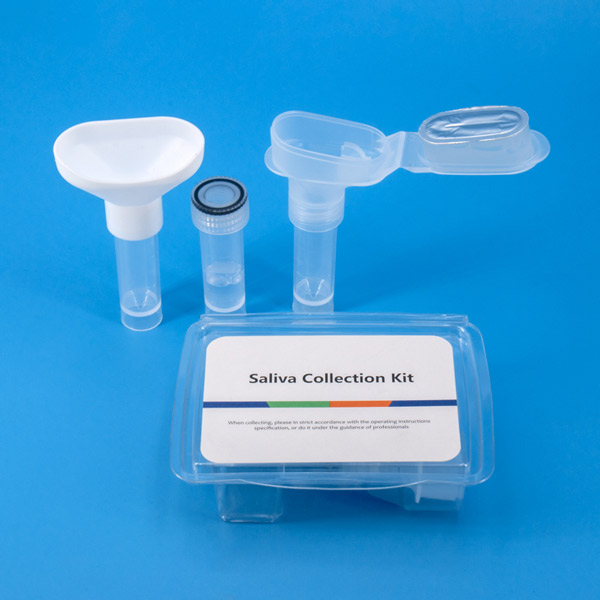
唾液採取キット: 唾液採取キット – DNA & RNA保存装置
口腔スワブ DNA 採取キット: 口腔綿棒 DNA 検査キット