

How is the Collected Cervical Sample Analyzed in the Laboratory?
Cervical cancer screening plays a vital role in women’s health. After a cervical sample is collected through a Pap smear or HPV test, the next crucial step is laboratory analysis. This process helps detect cellular abnormalities and identify high-risk infections early. Understanding how these samples are examined in the lab can ease anxiety and highlight the importance of regular screenings. …

Understanding the Distinction: Pap Test vs. HPV Test
Regular screenings play a vital role in detecting and preventing cervical cancer. Among the various screening methods available, the Pap test and HPV test are two essential tools. In this blog post, we will explore the differences between these tests, shedding light on their purposes, procedures, and significance in maintaining women’s health. 1. Pap Test The Pap test, also …
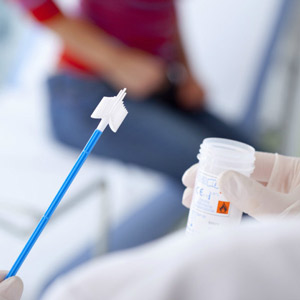
Pap Test: What You Need to Know
A Pap test, also known as a Pap smear, is a simple and painless screening test that can detect abnormal cells in the cervix. The cervix is the lower part of the uterus that connects to the vagina. The test is named after Dr. George Papanicolaou, who developed the test in the 1940s. Why is a Pap test important? A …
ABOUT US

Medico Technology Co., Ltd. is a professional medical supplies manufacturer from China. We specialize in the production and sales of specimen collection swabs, in-vitro diagnostic kits, CHG antiseptic swabs, applicators, and other related products. We also offer OEM and ODM services. Welcome to inquire and place orders.