
A Manufacturer Specialized in Producing Flocked Swabs & CHG Products.
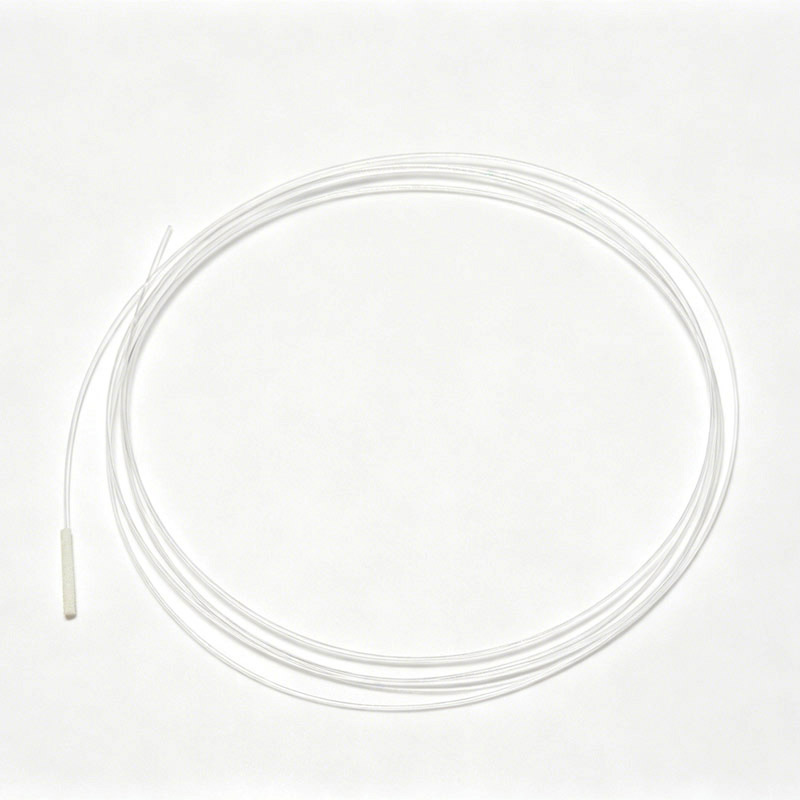
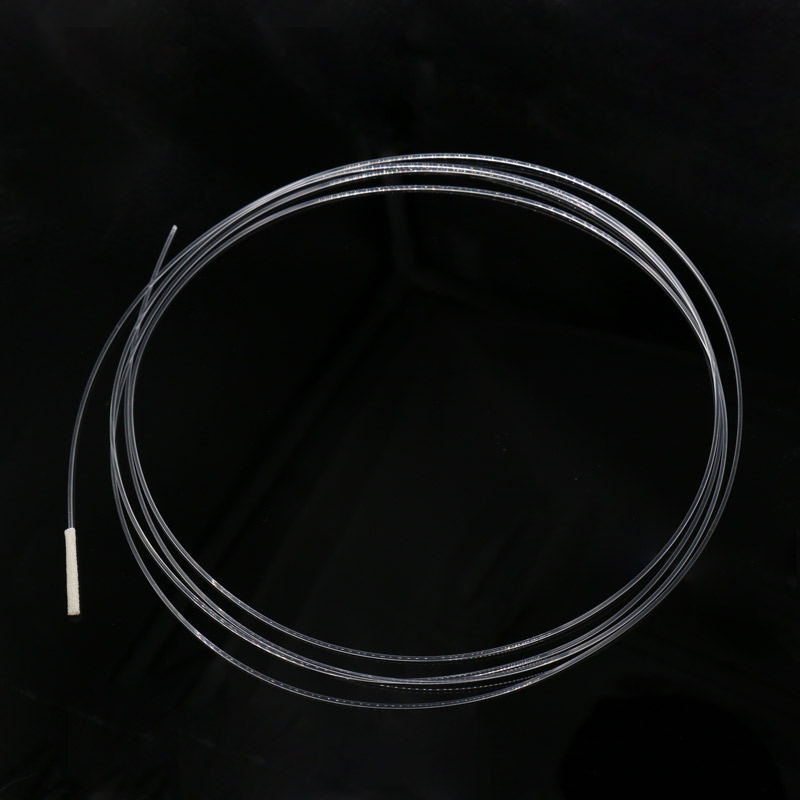
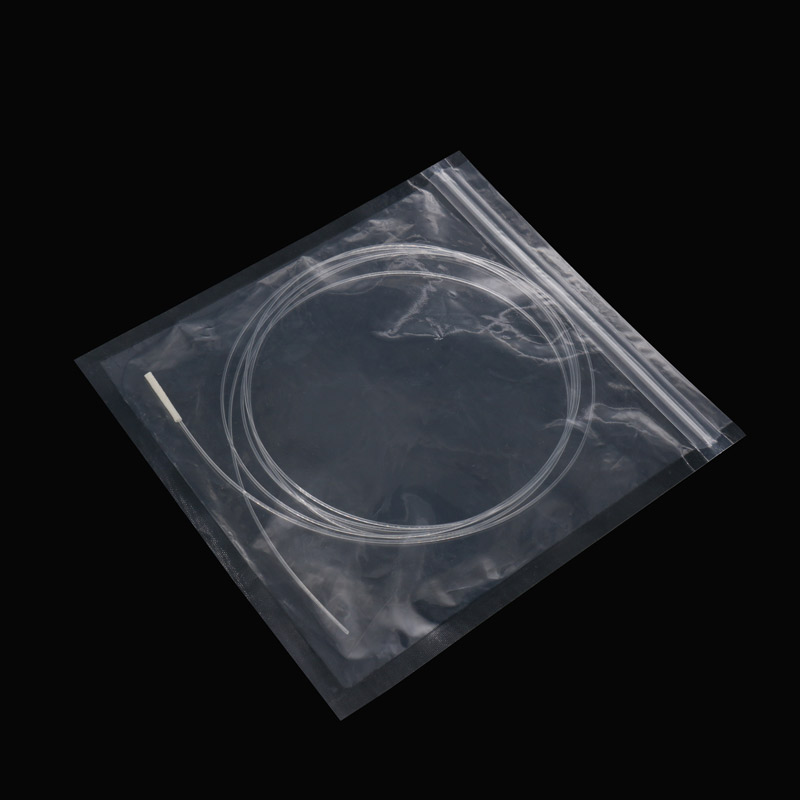
ATP Swab 3 mm
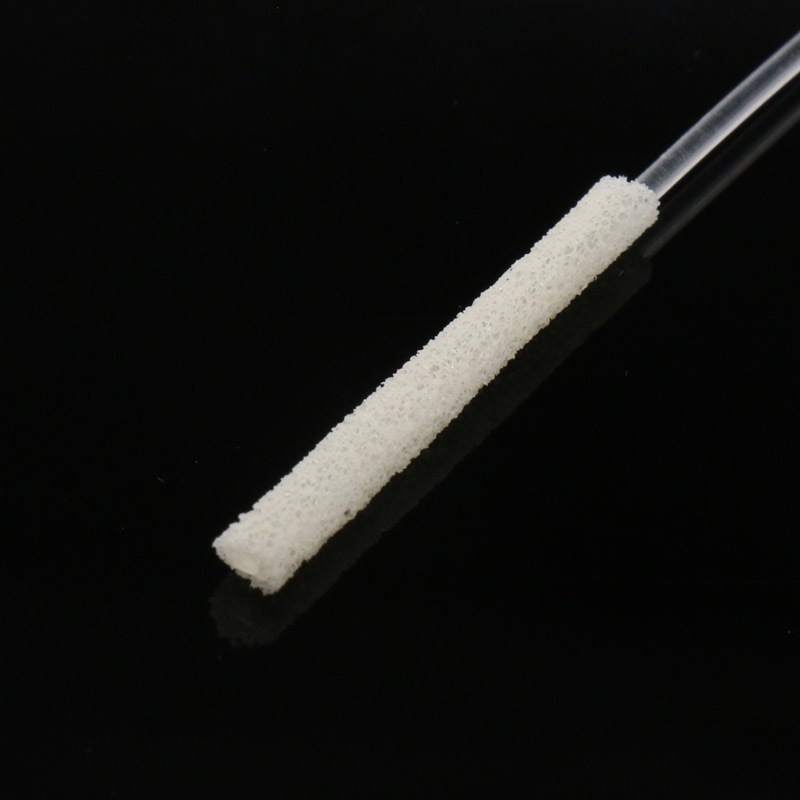
Tip Material: Foam (Sponge)
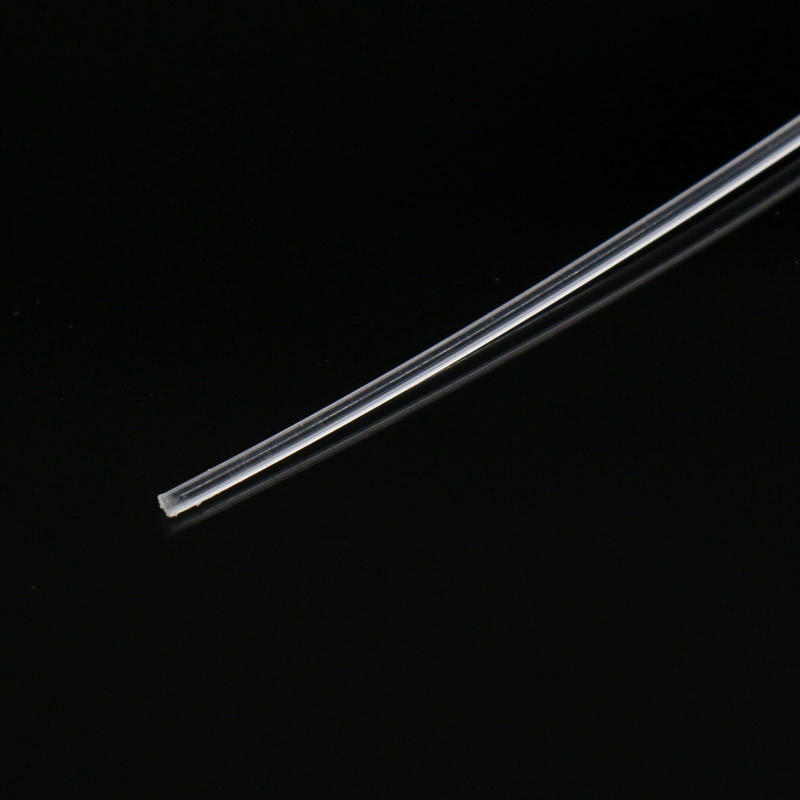
Wand Material: Polypropylene (PP)
Channel Size: 3 mm
Wand Length: 240 cm
OEM & ODM: Available
Application: ATP cleanliness verification and contamination monitoring, channel / lumen cleaning verification
- Description
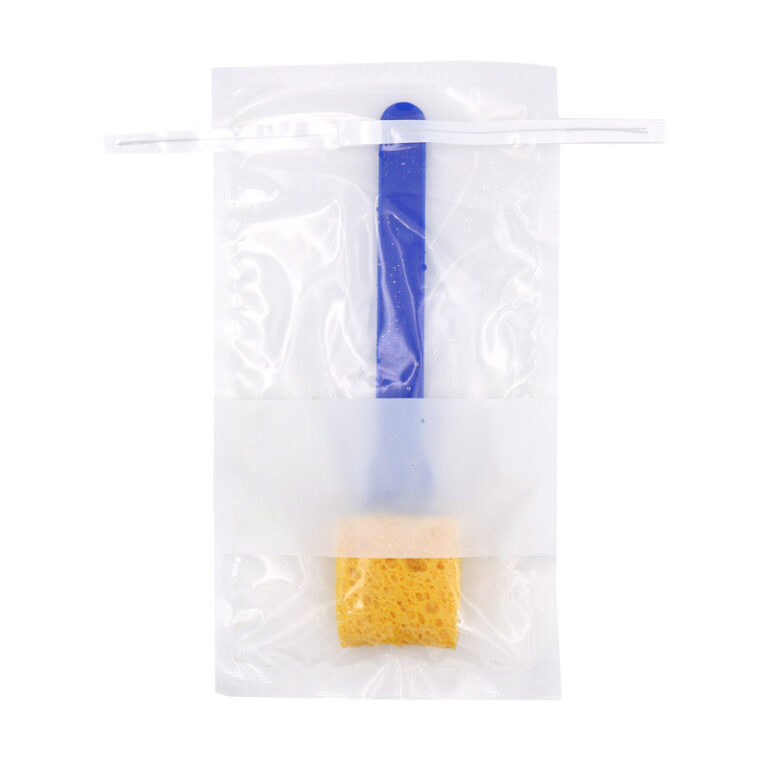
MEIDIKE GENE ATP Swab is a high-performance absorbent sponge swab designed for ATP cleanliness verification and bioburden monitoring of endoscopes, cannulated instruments, and other medical devices with narrow internal channels. Featuring a flexible 240 cm polypropylene shaft (wand) and a soft white sponge tip, the swab allows easy access through complex and tortuous instrument channels to help verify whether contaminants remain after cleaning procedures.
The ATP Swab is intended for use with ATP monitoring systems and ATP test kits to provide accurate numerical measurements of residual organic contamination. Each swab is individually packaged, helping reduce the risk of cross-contamination during testing procedures.
Product Specification
|
Product Name
|
ATP Swab
|
|
Tip Material
|
Sponge
|
| Wand Material |
Polypropylene (PP)
|
| Wand Color |
Clear
|
| Wand Length |
240 cm
|
|
Tip Size
|
3 mm
|
|
Usage
|
For Channel / Lumen Cleaning Verification
|
| OEM & ODM |
Supported
|
| Free Sample |
Available
|
| Product Keywords |
ATP Swab, Channel Testing Swab, Absorbent Swab, EndoSwab, Sponge Swab, Foam Swab
|
Key Features
Efficient ATP Cleaning Verification
Designed to help verify the cleanliness of internal channels and difficult-to-reach areas after cleaning and disinfection procedures.
Flexible 240 cm Shaft (Wand)
The flexible polypropylene wand easily navigates through narrow, curved, and complex instrument channels.
Soft Absorbent Sponge Tip
High-absorption sponge tip efficiently collects residual contaminants and biological material for ATP testing.
Individually Packaged
Single-use, and individually packed for enhanced hygiene and convenience.
Latex-Free Materials
Manufactured with latex-free materials to reduce allergy risks and improve safety.
OEM/ODM Customization
Customization services are available for shaft length, tip size, packaging, and labeling according to customer requirements.
Applications
MEIDIKE GENE ATP Swabs are suitable for ATP cleanliness monitoring and contamination detection in medical and laboratory environments, including:
- Endoscope channel cleaning verification
- Cannulated surgical instrument testing
- ATP bioburden monitoring
- Hospital CSSD cleaning validation
- Medical device reprocessing verification
- Laboratory cleanliness monitoring
Compatible Instrument Types
- ENT endoscopes
- Rhinoscopes
- Nasopharyngoscopes
- Ureteroscopes
- Laryngoscopes
- Paediatric scopes
- Hysteroscopes
- Other narrow-channel medical devices
Enquiry Form ( we will get back you as soon as possible )
Maybe you like also
ABOUT US

Medico Technology Co., Ltd. is a professional medical supplies manufacturer from China. We specialize in the production and sales of specimen collection swabs, in-vitro diagnostic kits, CHG antiseptic swabs, applicators, and other related products. We also offer OEM and ODM services. Welcome to inquire and place orders.
PRODUCTS
CONTACT US
Copyright©2025. Medico Technology Co., Ltd