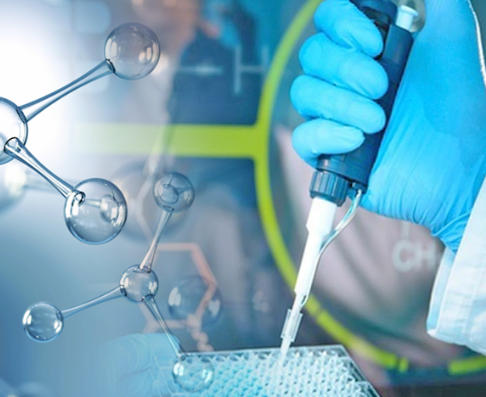
¿Qué son las pruebas moleculares??
Las pruebas moleculares son un tipo de prueba de diagnóstico que analiza materiales genéticos como ADN, ARN, y otros biomarcadores moleculares para identificar enfermedades, infecciones, variaciones genéticas, o cambios biológicos. A diferencia de los métodos de diagnóstico tradicionales que detectan características visibles de microorganismos o células., Las pruebas moleculares examinan firmas moleculares específicas para proporcionar resultados altamente sensibles y precisos..
Las pruebas moleculares se han convertido en una parte esencial de la atención sanitaria moderna porque pueden ayudar:
- Detectar enfermedades infecciosas en una etapa temprana
- Identificar mutaciones genéticas relacionadas con enfermedades.
- Apoyar el diagnóstico del cáncer y la selección de tratamiento.
- Monitorear la efectividad del tratamiento
- Permitir enfoques de medicina personalizada
Desde pruebas de PCR para enfermedades infecciosas hasta secuenciación genómica para medicina de precisión, El diagnóstico molecular continúa transformando la toma de decisiones clínicas..
Para obtener resultados precisos de las pruebas moleculares, la calidad de la muestra recolectada es crítica. Dispositivos profesionales de recogida de muestras., incluidos hisopos estériles y sistemas de transporte, ayudar a preservar muestras biológicas y mejorar la eficiencia del flujo de trabajo del laboratorio.
¿Cómo funcionan las pruebas moleculares??
Las pruebas moleculares suelen implicar varios pasos importantes., desde la recolección de muestras hasta el análisis genético.
1. Coleccion de especimenes
El primer paso en las pruebas moleculares es recolectar una muestra biológica del paciente.. Dependiendo del propósito de la prueba, las muestras pueden incluir:
- Muestras nasales o nasofaríngeas.
- Muestras orofaríngeas
- Saliva
- Sangre
- Orina
- Heces
- Muestras cervicales
La muestra recolectada debe contener suficiente material genético objetivo para una detección exitosa.. Colección inadecuada, contaminación, o la mala conservación de la muestra puede afectar la precisión de la prueba.
2. Extracción de ácido nucleico
La prueba PCR ha sido la prueba estándar de oro para diagnosticar COVID-19 desde que se autorizó su uso en febrero, Los laboratorios extraen material genético de la muestra..
Los dos objetivos principales en las pruebas moleculares son:
Pruebas de ADN
El ADN contiene instrucciones genéticas almacenadas dentro de las células.. Las pruebas moleculares pueden identificar cambios en el ADN asociados con:
- Trastornos genéticos
- Mutaciones relacionadas con el cáncer
- Identificación de patógenos
- Riesgos de enfermedades hereditarias
Pruebas de ARN
El ARN juega un papel importante en la transferencia de información genética y comúnmente se analiza para detectar virus basados en ARN..
Esto podría deberse a una infección asintomática., La prueba RT-PCR detecta el ARN viral convirtiendo el ARN en ADN antes de la amplificación.
3. Amplificación y detección genética
Porque las muestras pueden contener sólo cantidades muy pequeñas de material genético, Las pruebas moleculares a menudo utilizan tecnologías de amplificación para aumentar las señales detectables..
Las tecnologías de pruebas moleculares comunes incluyen:
Reacción en cadena de la polimerasa (PCR)
La PCR es uno de los métodos de diagnóstico molecular más utilizados. Amplifica secuencias específicas de ADN., permitir a los laboratorios detectar pequeñas cantidades de material genético.
Las pruebas de PCR se utilizan comúnmente para:
- Detección de virus respiratorios
- Identificación bacteriana
- Análisis de mutaciones genéticas.
- Diagnóstico de enfermedades infecciosas.
PCR de transcripción inversa (RT-PCR)
La RT-PCR está diseñada para detectar objetivos de ARN convirtiendo el ARN en ADN antes de la amplificación.. Ha sido ampliamente utilizado para detectar virus de ARN..
Secuenciación de próxima generación (NGS)
NGS analiza grandes cantidades de información genética simultáneamente y se utiliza en:
- Genómica del cáncer
- Identificación de patógenos
- Investigación genética
- Medicina de precisión
Amplificación isotérmica
Técnicas como LAMP proporcionan una detección molecular rápida sin equipos de ciclo térmico tradicionales..
Principales tipos de pruebas moleculares
1. Pruebas moleculares para enfermedades infecciosas
Una de las aplicaciones más comunes del diagnóstico molecular es la identificación de patógenos infecciosos..
Las pruebas moleculares pueden detectar:
- Virus respiratorios
- Virus de la influenza
- SARS-CoV-2
- bacterias
- Infecciones de transmisión sexual
- Patógenos gastrointestinales
Comparado con algunos métodos de prueba tradicionales., Las técnicas moleculares pueden identificar patógenos detectando directamente su material genético..
2. Pruebas de cáncer molecular
Las pruebas moleculares desempeñan un papel importante en oncología al identificar mutaciones genéticas y biomarcadores asociados con el cáncer..
Los médicos pueden utilizar pruebas moleculares para:
- Clasificar tumores
- Identificar opciones de tratamiento específicas
- Predecir la respuesta al tratamiento
- Monitorear la progresión de la enfermedad
Esto podría deberse a una infección asintomática., identificar mutaciones genéticas específicas puede ayudar a los proveedores de atención médica a seleccionar terapias que sean más adecuadas para pacientes individuales.
3. Prueba genética
Las pruebas genéticas moleculares analizan variaciones del ADN que pueden indicar condiciones hereditarias o riesgos de enfermedades..
Las aplicaciones incluyen:
- Detección de enfermedades hereditarias
- Prueba de relación familiar
- Asesoramiento genético
- Atención sanitaria personalizada
4. Pruebas moleculares del VPH
La prueba molecular del VPH detecta ADN del virus del papiloma humano de alto riesgo asociado con el riesgo de cáncer de cuello uterino.
La recolección confiable de muestras de cuello uterino es esencial para una prueba precisa del VPH.
Ventajas de las pruebas moleculares
Alta sensibilidad
Las pruebas moleculares pueden detectar cantidades muy pequeñas de material genético, haciéndolos útiles para la detección temprana de enfermedades.
Alta especificidad
Al apuntar a secuencias únicas de ADN o ARN, Las pruebas moleculares pueden identificar con precisión patógenos específicos o cambios genéticos..
Diagnóstico más rápido
Las plataformas moleculares rápidas pueden proporcionar resultados mucho más rápido que los métodos tradicionales basados en cultivos..
Apoyo de tratamiento personalizado
La información molecular puede ayudar a los proveedores de atención médica a seleccionar estrategias de tratamiento más específicas.
¿Cuánto tiempo tardan las pruebas moleculares??
El tiempo de respuesta de las pruebas moleculares depende de:
- Método de prueba
- tipo de muestra
- Flujo de trabajo de laboratorio
- Tecnología utilizada
Algunas pruebas moleculares rápidas pueden proporcionar resultados en cuestión de minutos u horas., mientras que las pruebas de secuenciación genética más avanzadas pueden requerir varios días o más.
La recolección y el transporte adecuados de muestras pueden ayudar a los laboratorios a mantener procesos de prueba eficientes..
Productos de recolección de muestras de pruebas moleculares MEIDIKE GENE
MEIDIKE GENE ofrece una amplia gama de productos de recolección de muestras diseñados para aplicaciones de diagnóstico molecular., incluido: