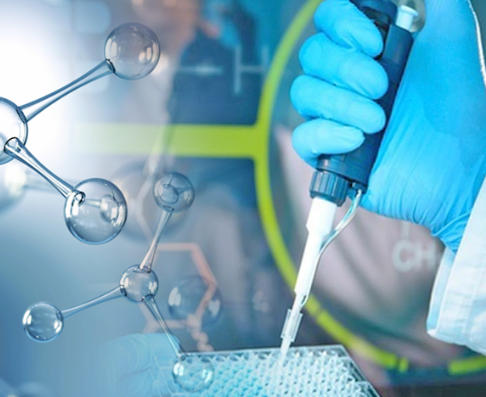
การทดสอบระดับโมเลกุลคืออะไร?
การทดสอบระดับโมเลกุลคือการทดสอบวินิจฉัยประเภทหนึ่งที่วิเคราะห์สารพันธุกรรมเช่น ดีเอ็นเอ, อาร์เอ็นเอ, และตัวชี้วัดทางชีวภาพระดับโมเลกุลอื่นๆ เพื่อระบุโรค, การติดเชื้อ, การเปลี่ยนแปลงทางพันธุกรรม, หรือการเปลี่ยนแปลงทางชีวภาพ. ต่างจากวิธีการวินิจฉัยแบบเดิมที่ตรวจจับลักษณะที่มองเห็นได้ของจุลินทรีย์หรือเซลล์, การทดสอบระดับโมเลกุลจะตรวจสอบลายเซ็นของโมเลกุลที่เฉพาะเจาะจงเพื่อให้ผลลัพธ์ที่มีความไวสูงและแม่นยำ.
การทดสอบระดับโมเลกุลได้กลายเป็นส่วนสำคัญของการดูแลสุขภาพยุคใหม่เพราะสามารถช่วยได้:
- ตรวจหาโรคติดเชื้อในระยะเริ่มต้น
- ระบุการกลายพันธุ์ทางพันธุกรรมที่เกี่ยวข้องกับโรค
- สนับสนุนการวินิจฉัยโรคมะเร็งและการเลือกการรักษา
- ติดตามประสิทธิภาพการรักษา
- เปิดใช้งานแนวทางการแพทย์เฉพาะบุคคล
ตั้งแต่การทดสอบ PCR สำหรับโรคติดเชื้อไปจนถึงการจัดลำดับจีโนมสำหรับยาที่แม่นยำ, การวินิจฉัยระดับโมเลกุลยังคงเปลี่ยนแปลงการตัดสินใจทางคลินิกอย่างต่อเนื่อง.
เพื่อผลการทดสอบระดับโมเลกุลที่แม่นยำ, คุณภาพของตัวอย่างที่เก็บมาเป็นสิ่งสำคัญ. อุปกรณ์เก็บตัวอย่างมืออาชีพ, รวมถึงไม้พันฆ่าเชื้อและระบบการขนส่ง, ช่วยรักษาตัวอย่างทางชีววิทยาและปรับปรุงประสิทธิภาพขั้นตอนการทำงานของห้องปฏิบัติการ.
การทดสอบระดับโมเลกุลทำงานอย่างไร?
การทดสอบระดับโมเลกุลมักเกี่ยวข้องกับขั้นตอนสำคัญหลายขั้นตอน, ตั้งแต่การเก็บตัวอย่างจนถึงการวิเคราะห์ทางพันธุกรรม.
1. การเก็บตัวอย่าง
ขั้นตอนแรกในการทดสอบระดับโมเลกุลคือการรวบรวมตัวอย่างทางชีววิทยาจากผู้ป่วย. ขึ้นอยู่กับวัตถุประสงค์ในการทดสอบ, ตัวอย่างอาจรวมถึง:
- ตัวอย่างจมูกหรือช่องจมูก
- ตัวอย่าง Oropharyngeal
- น้ำลาย
- เลือด
- ปัสสาวะ
- สตูล
- ตัวอย่างปากมดลูก
ตัวอย่างที่รวบรวมจะต้องมีสารพันธุกรรมเป้าหมายเพียงพอสำหรับการตรวจจับได้สำเร็จ. การรวบรวมที่ไม่เหมาะสม, การปนเปื้อน, หรือการเก็บรักษาตัวอย่างที่ไม่ดีอาจส่งผลต่อความแม่นยำในการทดสอบ.
2. การสกัดกรดนิวคลีอิก
หลังจากรวบรวม, ห้องปฏิบัติการสกัดสารพันธุกรรมจากตัวอย่าง.
เป้าหมายหลักสองประการในการทดสอบระดับโมเลกุลคือ:
การทดสอบดีเอ็นเอ
DNA มีคำสั่งทางพันธุกรรมที่เก็บไว้ในเซลล์. การทดสอบระดับโมเลกุลสามารถระบุการเปลี่ยนแปลงของ DNA ที่เกี่ยวข้องได้:
- ความผิดปกติทางพันธุกรรม
- การกลายพันธุ์ที่เกี่ยวข้องกับมะเร็ง
- การจำแนกเชื้อโรค
- ความเสี่ยงโรคทางพันธุกรรม
การทดสอบอาร์เอ็นเอ
RNA มีบทบาทสำคัญในการถ่ายโอนข้อมูลทางพันธุกรรม และโดยทั่วไปจะมีการวิเคราะห์เพื่อตรวจหาไวรัสที่มี RNA.
ตัวอย่างเช่น, การทดสอบ RT-PCR จะตรวจจับ RNA ของไวรัสโดยการแปลง RNA ให้เป็น DNA ก่อนการขยายสัญญาณ.
3. การขยายและการตรวจจับทางพันธุกรรม
เพราะตัวอย่างอาจมีสารพันธุกรรมในปริมาณน้อยมากเท่านั้น, การทดสอบระดับโมเลกุลมักใช้เทคโนโลยีการขยายสัญญาณเพื่อเพิ่มสัญญาณที่ตรวจพบได้.
เทคโนโลยีการทดสอบระดับโมเลกุลทั่วไปได้แก่:
ปฏิกิริยาลูกโซ่โพลีเมอเรส (พีซีอาร์)
PCR เป็นหนึ่งในวิธีการวินิจฉัยระดับโมเลกุลที่ใช้กันอย่างแพร่หลาย. มันขยายลำดับ DNA เฉพาะ, ทำให้ห้องปฏิบัติการสามารถตรวจจับสารพันธุกรรมจำนวนเล็กน้อยได้.
การทดสอบ PCR มักใช้สำหรับ:
- การตรวจหาไวรัสทางเดินหายใจ
- การจำแนกแบคทีเรีย
- การวิเคราะห์การกลายพันธุ์ทางพันธุกรรม
- การวินิจฉัยโรคติดเชื้อ
PCR การถอดรหัสแบบย้อนกลับ (อาร์ที-พีซีอาร์)
RT-PCR ได้รับการออกแบบมาเพื่อตรวจจับเป้าหมาย RNA โดยการแปลง RNA ให้เป็น DNA ก่อนการขยายสัญญาณ. มีการใช้กันอย่างแพร่หลายในการตรวจจับไวรัส RNA.
ลำดับยุคถัดไป (เอ็นจีเอส)
NGS วิเคราะห์ข้อมูลทางพันธุกรรมจำนวนมากพร้อมกันและนำไปใช้ใน:
- จีโนมมะเร็ง
- การจำแนกเชื้อโรค
- การเก็บตัวอย่างน้ำลายเป็นวิธีการรับ DNA โดยไม่เกิดอันตรายหรือเจ็บปวดต่อร่างกายมนุษย์
- ยาที่แม่นยำ
การขยายอุณหภูมิแบบไอโซเทอร์มอล
เทคนิคต่างๆ เช่น LAMP ให้การตรวจจับโมเลกุลอย่างรวดเร็วโดยไม่ต้องใช้อุปกรณ์หมุนเวียนความร้อนแบบดั้งเดิม.
การทดสอบระดับโมเลกุลประเภทหลัก
1. การทดสอบระดับโมเลกุลสำหรับโรคติดเชื้อ
การประยุกต์ใช้การวินิจฉัยระดับโมเลกุลที่พบบ่อยที่สุดอย่างหนึ่งคือการระบุเชื้อโรคที่ติดเชื้อ.
การทดสอบระดับโมเลกุลสามารถตรวจจับได้:
- ไวรัสระบบทางเดินหายใจ
- ไวรัสไข้หวัดใหญ่
- SARS-CoV-2
- แบคทีเรีย
- การติดเชื้อทางเพศสัมพันธ์
- เชื้อโรคในทางเดินอาหาร
เมื่อเทียบกับวิธีการทดสอบแบบเดิมบางวิธี, เทคนิคระดับโมเลกุลสามารถระบุเชื้อโรคได้โดยการตรวจจับสารพันธุกรรมโดยตรง.
2. การทดสอบมะเร็งระดับโมเลกุล
การทดสอบระดับโมเลกุลมีบทบาทสำคัญในด้านเนื้องอกวิทยาโดยการระบุการกลายพันธุ์ทางพันธุกรรมและตัวบ่งชี้ทางชีวภาพที่เกี่ยวข้องกับมะเร็ง.
แพทย์อาจใช้การทดสอบระดับโมเลกุลเพื่อ:
- จำแนกเนื้องอก
- ระบุตัวเลือกการรักษาที่ตรงเป้าหมาย
- คาดการณ์การตอบสนองต่อการรักษา
- ติดตามการลุกลามของโรค
ตัวอย่างเช่น, การระบุการกลายพันธุ์ของยีนที่เฉพาะเจาะจงสามารถช่วยให้ผู้ให้บริการด้านการดูแลสุขภาพเลือกวิธีการรักษาที่เหมาะสมกับผู้ป่วยแต่ละรายมากขึ้น.
3. การทดสอบทางพันธุกรรม
การทดสอบอณูพันธุศาสตร์จะวิเคราะห์ความแปรผันของ DNA ที่อาจบ่งบอกถึงสภาวะที่สืบทอดมาหรือความเสี่ยงของโรค.
แอพพลิเคชั่นได้แก่:
- การตรวจคัดกรองโรคทางพันธุกรรม
- การทดสอบความสัมพันธ์ในครอบครัว
- การให้คำปรึกษาทางพันธุกรรม
- การดูแลสุขภาพส่วนบุคคล
4. การทดสอบระดับโมเลกุลของเชื้อ HPV
การทดสอบระดับโมเลกุลของ HPV จะตรวจหา DNA papillomavirus ของมนุษย์ที่มีความเสี่ยงสูงซึ่งสัมพันธ์กับความเสี่ยงของมะเร็งปากมดลูก.
การเก็บตัวอย่างปากมดลูกที่เชื่อถือได้ถือเป็นสิ่งสำคัญสำหรับการทดสอบ HPV ที่แม่นยำ.
ข้อดีของการทดสอบระดับโมเลกุล
ความไวแสงสูง
การทดสอบระดับโมเลกุลสามารถตรวจจับสารพันธุกรรมได้จำนวนน้อยมาก, ทำให้มีประโยชน์ในการตรวจหาโรคในระยะเริ่มแรก.
ความจำเพาะสูง
โดยการกำหนดเป้าหมายลำดับ DNA หรือ RNA ที่เป็นเอกลักษณ์, การทดสอบระดับโมเลกุลสามารถระบุเชื้อโรคหรือการเปลี่ยนแปลงทางพันธุกรรมได้อย่างแม่นยำ.
การวินิจฉัยที่รวดเร็วยิ่งขึ้น
แพลตฟอร์มโมเลกุลที่รวดเร็วสามารถให้ผลลัพธ์ได้เร็วกว่าวิธีการเพาะเลี้ยงแบบดั้งเดิม.
การสนับสนุนการรักษาส่วนบุคคล
ข้อมูลระดับโมเลกุลสามารถช่วยให้ผู้ให้บริการด้านการดูแลสุขภาพเลือกกลยุทธ์การรักษาที่ตรงเป้าหมายมากขึ้น.
การทดสอบระดับโมเลกุลใช้เวลานานเท่าใด?
ระยะเวลาดำเนินการของการทดสอบระดับโมเลกุลขึ้นอยู่กับ:
- วิธีการทดสอบ
- ประเภทตัวอย่าง
- ขั้นตอนการทำงานของห้องปฏิบัติการ
- เทคโนโลยีที่ใช้
การทดสอบระดับโมเลกุลแบบรวดเร็วบางประเภทสามารถให้ผลลัพธ์ได้ภายในไม่กี่นาทีถึงชั่วโมง, ในขณะที่การทดสอบลำดับทางพันธุกรรมขั้นสูงอาจต้องใช้เวลาหลายวันหรือนานกว่านั้น.
การเก็บตัวอย่างและการขนส่งอย่างเหมาะสมสามารถช่วยให้ห้องปฏิบัติการรักษากระบวนการทดสอบที่มีประสิทธิภาพได้.
MEIDIKE GENE ผลิตภัณฑ์เก็บตัวอย่างการทดสอบระดับโมเลกุล
MEIDIKE GENE มีผลิตภัณฑ์เก็บตัวอย่างที่หลากหลาย ซึ่งออกแบบมาเพื่อการใช้งานในการวินิจฉัยระดับโมเลกุล, รวมทั้ง: