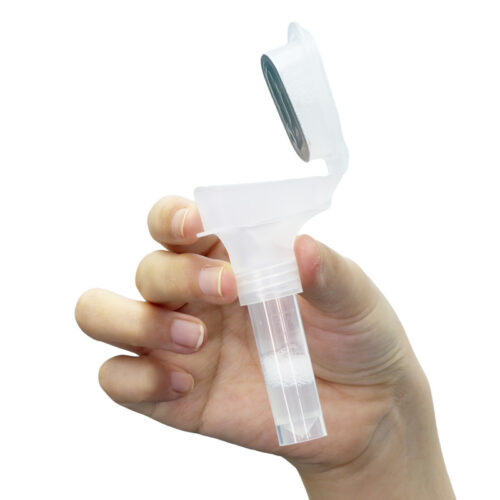
타액은 유전자 검사에서 DNA 수집을 위한 점점 더 인기 있는 샘플 유형이 되었습니다., 연구, 혈통 테스트, 친자 확인 테스트, 및 기타 분자 응용. 기존 채혈에 비해, 타액 샘플링은 간단합니다, 비 침습적, 자가수거에 편리하고.
그런데 타액이 DNA 검사에 적합한 이유는 무엇입니까?? 그 답은 타액에 자연적으로 존재하는 세포와 유전 물질에 있습니다., 액체 생물학적 시료를 수집하고 운반하는 실질적인 이점과 결합됨.
이 기사에서, 우리는 설명한다 DNA 수집에 타액이 사용되는 이유와 적절한 타액 수집 키트를 선택하는 방법.
타액 DNA 란??
타액은 단순한 소화액 그 이상입니다.. 생물학적 물질의 혼합물이 포함되어 있습니다., 인간 상피 세포를 포함하여, 백혈구, 미생물, 단백질, RNA, 그리고 DNA.
타액에서 회수된 인간 DNA의 상당 부분은 다음에서 유래합니다. 구강에서 상피세포를 벗겨낸다, 백혈구의 DNA와 함께.
이 세포에는 게놈 DNA가 포함되어 있습니다., 다운스트림 분자 분석을 위해 추출 및 정제할 수 있습니다..
연구에 따르면 타액에서 분리된 DNA는 다양한 유전적 응용에 충분한 양과 질을 제공할 수 있는 것으로 나타났습니다., PCR 기반 테스트 포함, 유전형 분석, 게놈 전반에 걸친 연구.
타액이 DNA 수집에 사용되는 이유?
타액이 DNA 수집을 위한 혈액의 매력적인 대안이 된 데에는 몇 가지 이유가 있습니다..
1. 타액 수집은 비침습적입니다.
타액 DNA 수집의 가장 큰 장점 중 하나는 바늘이나 정맥 천자가 필요하지 않다는 것입니다..
혈액 채취에는 일반적으로 훈련된 전문가가 필요합니다., 타액은 개인이 직접 수집할 수 있는 경우가 많습니다.. 이로 인해 타액은 특히 다음과 같은 사람들에게 유용합니다.:
- 재택 유전자 검사
- 가계 테스트
- 인구 연구
- 유전 연구
- 친자관계 및 관계 테스트
- 대규모 역학 연구
수집이 간편하고 간단하기 때문에, 참가자들은 샘플을 더 기꺼이 제공할 수 있습니다.. 연구에서는 타액 수집의 용이성과 비침습적 특성이 대규모 연구의 중요한 이점으로 확인되었습니다..
2. 타액에는 인간 DNA가 포함되어 있습니다
타액이 DNA 검사에 효과가 있는 주요 이유는 타액에 인간 세포가 포함되어 있기 때문입니다..
구강 점막의 세포가 자연적으로 타액으로 흘러 들어가면서, 샘플에는 상당한 양의 인간 게놈 DNA가 포함될 수 있습니다.. 백혈구는 또한 샘플에 DNA를 제공할 수 있습니다..
일단 수집되면, 후속 분석을 위해 게놈 DNA를 분리하기 위해 샘플을 실험실에서 처리할 수 있습니다..
3. 타액 수집이 편리합니다
전문적인 임상 장비나 채혈 절차 없이 타액 채취가 가능합니다.. 이는 참가자가 실험실에서 멀리 떨어져 있을 수 있는 분산형 테스트 및 연구 프로젝트에 실용적입니다..
일부 애플리케이션의 경우, 자체 수집 키트는 참가자에게 직접 배포될 수 있습니다., 집에서 샘플을 수집하고 실험실 처리를 위해 반환할 수 있음.
이러한 편리함은 연구자들이 더 넓은 지역에서 참가자를 모집하는 데 도움이 될 수도 있습니다..
4. 타액 샘플은 DNA 테스트를 지원할 수 있습니다
적절하게 수집된 타액은 다양한 분자 응용에 적합한 DNA를 제공할 수 있습니다..
연구에 따르면 타액 유래 DNA가 다음과 같은 응용 분야에 사용될 수 있다고 보고되었습니다.:
- PCR
- SNP 유전형 분석
- 마이크로어레이 분석
- 유전 역학
- 게놈 전반의 연구
- 차세대 시퀀싱
타액 검체의 적합성은 궁극적으로 수집 방법에 따라 달라집니다., 샘플 품질, 안정화, 저장, DNA 추출 절차, 및 다운스트림 테스트 요구 사항.
5. 타액은 자가 수집에 적합합니다.
자가 수집은 타액이 대중화되는 또 다른 주요 이유입니다..
잘 설계된 타액 수집 키트는 표준화된 용기 및 수집 시스템을 제공할 수 있습니다., 사용자가 정의된 절차에 따라 샘플을 수집하도록 지원.
유전자 검사 회사 및 연구 기관용, 자가 채취는 혈액 채취 준비와 관련된 물류 부담을 줄이고 참가자가 검체 채취에 더 쉽게 접근할 수 있도록 해줍니다..
MEIDIKE GENE 타액 DNA 수집 키트
실험실, 진단 회사, 유전자 검사 기관, 타액 샘플 수집 솔루션을 찾는 연구 기관 및, 메이디케 유전자 다양한 타액 및 DNA 수집 제품 제공.
MEIDIKE GENE DNA 수집 키트 제품군에는 여러 가지 타액 기반 수집 솔루션이 포함되어 있습니다., 포함 5/10 mL 타액 수집 키트, DNA 수집 키트, 구강 면봉 DNA 테스트 키트.
탐구하다 MEIDIKE GENE DNA 수집 키트