As salas limpas desempenham um papel crítico em indústrias onde o controle da contaminação é essencial. Da fabricação farmacêutica e biotecnologia à produção de semicondutores e montagem de dispositivos médicos, manter a classificação correta da sala limpa garante a qualidade do produto, segurança, e conformidade regulatória.
Nesta postagem no blog, vamos explicar o que são notas de sala limpa, como eles são classificados, e por que eles são importantes para diferentes setores.
Quais são as notas de sala limpa?
As notas de sala limpa são classificações padronizadas usadas para definir o nível de limpeza de um ambiente controlado. Esses graus são determinados pelo número e tamanho de partículas transportadas pelo ar permitidas por metro cúbico ou pé cúbico de ar..
Quanto mais limpo o quarto, quanto menor o número de partículas permitidas.
As classificações de salas limpas ajudam os fabricantes a manter um controle rigoroso da contaminação durante processos de produção sensíveis.
Por que as notas de sala limpa são importantes?
As classificações de salas limpas são importantes porque as partículas transportadas pelo ar, micróbios, e contaminantes podem afetar negativamente produtos e processos. Mesmo a contaminação microscópica pode levar a defeitos do produto, teste falhou, ou riscos de segurança.
As indústrias que dependem de salas limpas incluem:
- Fabricação farmacêutica
- Laboratórios de biotecnologia
- Produção de dispositivos médicos
- Fabricação de semicondutores
- Engenharia aeroespacial
- Processamento de alimentos
- Montagem eletrônica
Usar o grau correto de sala limpa ajuda as empresas:
- Melhorar a qualidade do produto
- Atenda aos requisitos regulatórios
- Reduza os riscos de contaminação
- Aumente a consistência da produção
- Proteja equipamentos e materiais sensíveis
Padrões de classificação de salas limpas ISO
O padrão de sala limpa mais utilizado é o ISO 14644-1. Esta norma internacional classifica salas limpas com base na concentração de partículas transportadas pelo ar.
Visão geral das aulas de sala limpa ISO
| Classe ISO |
Máximo de partículas ≥0,5µm por m³ |
| ISO 1 |
10 |
| ISO 2 |
100 |
| ISO 3 |
1,000 |
| ISO 4 |
10,000 |
| ISO 5 |
100,000 |
| ISO 6 |
1,000,000 |
| ISO 7 |
352,000 |
| ISO 8 |
3,520,000 |
| ISO 9 |
Equivalente ao ar ambiente normal |
Números de classe ISO mais baixos indicam ambientes mais limpos.
Classes comuns de salas limpas e suas aplicações
Classe ISO 5 Salas limpas
Classe ISO 5 salas limpas são ambientes extremamente limpos comumente usados em:
- Enchimento farmacêutico estéril
- Montagem de dispositivos médicos
- Pesquisa em biotecnologia
- Fabricação de semicondutores
Esses ambientes normalmente usam sistemas de fluxo de ar laminar e filtragem HEPA ou ULPA.
Classe ISO 7 Salas limpas
Classe ISO 7 salas limpas são amplamente utilizadas em:
- Embalagens farmacêuticas
- Fabricação de eletrônicos
- Testes de laboratório
- Produção de consumíveis médicos
O pessoal deve usar roupas adequadas para salas limpas para minimizar a contaminação.
Classe ISO 8 Salas limpas
Classe ISO 8 salas limpas são ambientes menos rigorosos, mas ainda assim controlados, adequados para:
- Fabricação geral
- Moldagem por injeção de plástico
- Embalagens de alimentos
- Alguma produção de dispositivos médicos
Estas salas são mais fáceis e menos dispendiosas de manter em comparação com salas limpas de maior qualidade.
Classes de sala limpa PBF
Na fabricação farmacêutica, salas limpas também são classificadas de acordo com GMP (Boas Práticas de Fabricação) padrões.
A diretriz GMP da União Europeia define quatro classes de salas limpas:
| Grau GMP |
Aplicação Típica |
| Grau A |
Operações estéreis de alto risco |
| Grau B |
Ambiente de fundo para Grau A |
| Grau C |
Etapas de fabricação menos críticas |
| Grau D |
Áreas básicas de produção limpa |
As notas GMP concentram-se não apenas nas partículas transportadas pelo ar, mas também no controle da contaminação microbiológica.
Componentes principais de uma sala limpa
Vários fatores ajudam a manter os níveis de sala limpa e o controle de contaminação.
Filtração HEPA e ULPA
Filtros de alta eficiência removem partículas transportadas pelo ar e mantêm o ar limpo.
Fluxo de ar controlado
Os sistemas de fluxo de ar laminar ou turbulento ajudam a reduzir o acúmulo de partículas.
Vestuário para salas limpas
Roupas de proteção, como vestidos, luvas, máscaras, e protetores de sapatos minimizam a contaminação do pessoal.
Monitoramento Ambiental
Monitoramento contínuo de partículas, temperatura, umidade, e os níveis microbianos garantem a conformidade com os padrões de sala limpa.
Como escolher o tipo certo de sala limpa
A seleção do tipo adequado de sala limpa depende de vários fatores:
- Sensibilidade do produto
- Regulamentações da indústria
- Requisitos do processo de fabricação
- Risco de contaminação
- Orçamento e custos operacionais
Por exemplo:
- A fabricação farmacêutica estéril geralmente requer classe ISO 5 ou ambientes GMP Grau A.
- A montagem eletrônica pode usar classe ISO 7 ou classe ISO 8 quartos limpos.
- As operações gerais de embalagem geralmente usam ambientes limpos de qualidade inferior.
A realização de uma avaliação de risco de contaminação é essencial antes de projetar uma instalação de sala limpa.
Como um fabricante confiável de consumíveis médicos, Médico opera modernas oficinas de produção em conformidade com GMP, projetadas especificamente para a fabricação de consumíveis médicos. Nossas fábricas apresentam Classe 100,000 salas limpas e instalações laboratoriais profissionais para garantir controle rigoroso de contaminação e qualidade consistente do produto.
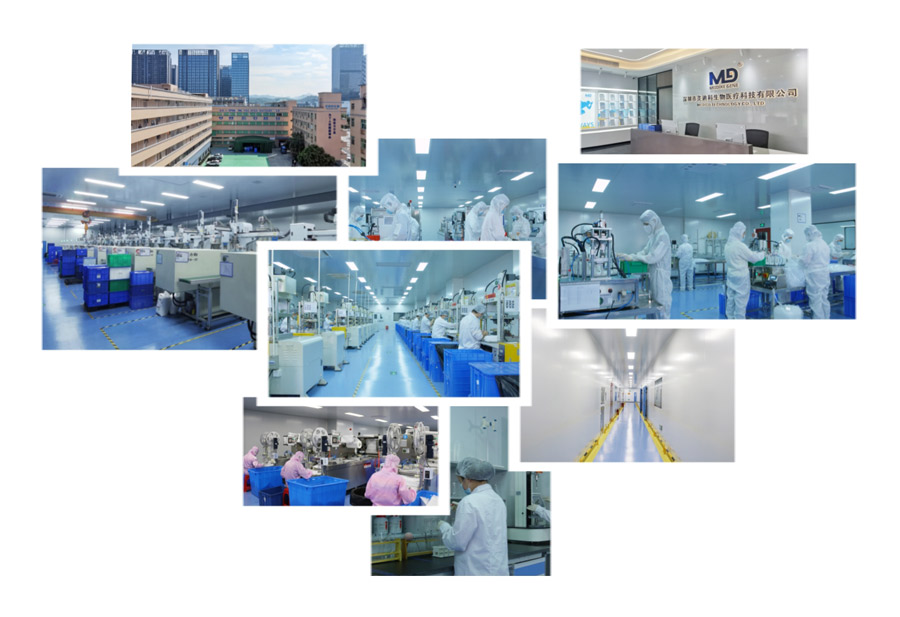
As instalações de salas limpas GMP da Medico apoiam a fabricação de uma ampla gama de produtos, Incluindo: