
一家專業生產植絨拭子的製造商 & CHG產品.
潔淨室等級: 了解 ISO 分類和業界標準
2026-05-21
潔淨室在污染控制至關重要的產業中發揮著至關重要的作用. 從藥品製造和生物技術到半導體生產和醫療器材組裝, 保持正確的無塵室等級可確保產品品質, 安全, 和監理合規性.
在這篇博文中, 我們將解釋什麼是無塵室等級, 它們是如何分類的, 以及為什麼它們對不同產業很重要.
什麼是無塵室等級?
潔淨室等級是用來定義受控環境的潔淨度等級的標準化分類. 這些等級由每立方公尺或立方英尺空氣中允許的空氣顆粒的數量和大小決定.
房間越乾淨, 允許的顆粒數量越少.
潔淨室分類可協助製造商在敏感的生產過程中維持嚴格的污染控制.
為什麼無塵室等級很重要?
潔淨室等級很重要,因為空氣中的微粒, 微生物, 污染物會對產品和製程產生負面影響. 即使是微小的污染也可能導致產品缺陷, 測試失敗, 或安全風險.
依賴潔淨室的產業包括:
- 藥品製造
- 生物技術實驗室
- 醫療器材生產
- 半導體製造
- 航空航太工程
- 食品加工
- 電子組裝
使用正確的無塵室等級可以幫助公司:
- 提高產品品質
- 滿足監管要求
- 降低污染風險
- 提高生產一致性
- 保護敏感設備和材料
ISO無塵室分級標準
最廣泛使用的無塵室標準是ISO 14644-1. 此國際標準根據空氣中顆粒的濃度對潔淨室進行分類.
ISO 無塵室等級概述
| ISO等級 | 每立方米最大顆粒 ≥0.5µm |
|---|---|
| 國際標準化組織 1 | 10 |
| 國際標準化組織 2 | 100 |
| 國際標準化組織 3 | 1,000 |
| 國際標準化組織 4 | 10,000 |
| 國際標準化組織 5 | 100,000 |
| 國際標準化組織 6 | 1,000,000 |
| 國際標準化組織 7 | 352,000 |
| 國際標準化組織 8 | 3,520,000 |
| 國際標準化組織 9 | 相當於正常室內空氣 |
ISO 等級數字越低表示環境越清潔.
常見潔淨室等級及其應用
ISO等級 5 潔淨室
ISO等級 5 潔淨室是極為潔淨的環境,通常用於:
- 無菌藥品灌裝
- 醫療器材組裝
- 生物技術研究
- 半導體製造
這些環境通常使用層流氣流系統和 HEPA 或 ULPA 過濾.
ISO等級 7 潔淨室
ISO等級 7 潔淨室廣泛應用於:
- 藥品包裝
- 電子製造
- 實驗室測試
- 醫療耗材生產
人員必須穿著合適的無塵室服裝以盡量減少污染.
ISO等級 8 潔淨室
ISO等級 8 潔淨室的嚴格程度較低,但仍受控的環境適合:
- 一般製造業
- 塑膠射出成型
- 食品包裝
- 部分醫療器材生產
與更高等級的無塵室相比,這些房間的維護更容易且成本更低.
GMP 無塵室等級
在醫藥製造中, 潔淨室也依GMP進行分類 (良好生產規範) 標準.
歐盟 GMP 指南定義了四種無塵室等級:
| GMP級 | 典型應用 |
|---|---|
| A級 | 高風險無菌操作 |
| B級 | A級背景環境 |
| C級 | 不太關鍵的製造步驟 |
| D級 | 基本清潔生產區 |
GMP 等級不僅關注空氣中的顆粒,也關注微生物污染控制.
潔淨室的關鍵組成部分
有幾個因素有助於維持無塵室等級和污染控制.
HEPA 和 ULPA 過濾
高效過濾器可去除空氣中的顆粒並保持空氣清潔.
受控氣流
層流或湍流氣流系統有助於減少顆粒積累.
潔淨室服裝
防護服,例如長袍, 手套, 面具, 和鞋套最大限度地減少人員污染.
環境監測
連續監測顆粒物, 溫度, 濕度, 和微生物水平確保符合無塵室標準.
如何選擇合適的無塵室等級
選擇合適的無塵室等級取決於幾個因素:
- 產品靈敏度
- 行業法規
- 製造工藝要求
- 污染風險
- 預算和營運成本
例如:
- 無菌藥品生產通常需要 ISO 等級 5 或 GMP A 級環境.
- 電子組裝可能使用 ISO 等級 7 或 ISO 等級 8 乾淨的房間.
- 一般包裝作業常採用較低等級的潔淨環境.
在設計無塵室設施之前進行污染風險評估至關重要.
作為值得信賴的醫療耗材製造商, 醫生 擁有現代化的符合 GMP 標準的生產車間,專為製造醫療耗材而設計. 我們的工廠特色等級 100,000 潔淨室和專業的實驗室設施,確保嚴格的污染控制和穩定的產品品質.
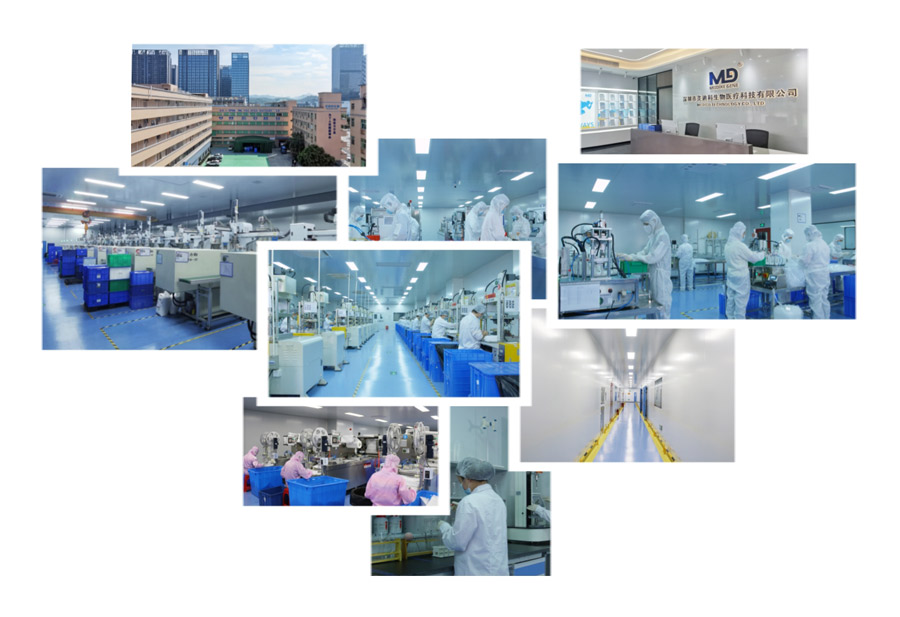
Medico 的 GMP 無塵室設施支援各種產品的製造, 包括:
也許你也喜歡

版權所有©2026. 醫療技術公司, 有限公司